


Everything You need to know
What is Microblading?
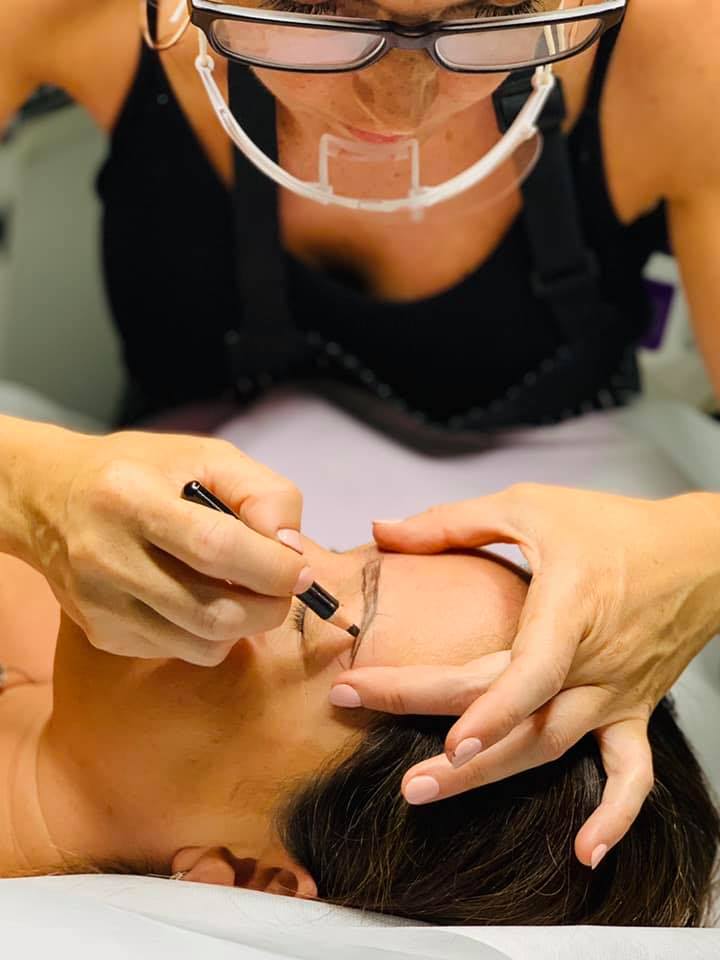
Microblading is a semi-permanent cosmetic tattooing technique that enhances eyebrows by depositing pigment into the skin using a handheld blade to create fine, hair-like strokes. It provides natural-looking, fuller brows that last 1-3 years with proper care.
What are NANObrows or machine hairstrokes?
NANObrows is an advanced machine-based technique (also called machine hairstrokes) that is a semi-permanent cosmetic tattooing technique that mimics microblading but uses a digital pen for ultra-fine, precise pigment strokes. It creates hyper-realistic brows with better longevity and less trauma to the skin. Minimal to no bleeding resulting in easier aftercare with no scabbing. And faster healing. The nano machine also allows for shading, adding depth and fullness.
Are Microblading or NANObrows painful?
Most clients experience minimal discomfort, similar to tweezing. A topical numbing cream to ensure a comfortable session can be applied. Pain levels vary by individual tolerance. Microblading tends to be slightly more uncomfortable.
How long does the healing process take for microblading and NANObrows?
Initial healing takes 10-14 days, with full color settling in 4-6 weeks. Avoid submerging brows in water, direct sun, and makeup on the brows during this time for best results. This technique can cause light scabbing, especially if you bleed. If concerns with scabbing, then choose the NANObrows technique instead. Nano heals quicker.
How many sessions are needed for NANObrows & Microblading?
Typically, one initial session (2-3 hours) followed by a touch-up (1.5-2 hours) after 6-8 weeks. Results are immediate but fully develop in 4 weeks. A Third+ session may be required for more problematic or oily skin. Or for reasons unknown. Or Clients personal satisfaction
What is the Precare for Microblading & NANObrows?
The skin on brows must be free of all irritations, including ingrown hairs, blemishes (if not, may have to reschedule or go around, but can fix bare spot at touch-up)
-Absolutely no alcohol 48-hours before application.
Alcohol thins your blood, which means excess bleeding. When you bleed more than normal, it can cause visibility issues for the artist, potentially compromising the quality of the design. Excess bleeding can also thin the ink. Which then may affect the way the skin absorbs the pigment.
If you do bleed, I can still do. Some clients are just bleeders. But the above content will apply
– Do not exercise within 2-hours before application. This gets your heart pumping and working harder, and I want your blood flow to be calm and relaxed so there’s less chance of continuous bleeding.
– No intentional tanning 4 days prior. The brow area can not have sunburned skin.
– Do not take Aspirin, Advil, Aleve, Niacin, Vitamin E, or Ibuprofen 48 hours prior to the session, even better. So check your vitamins! You will have better and lasting results if you don’t bleed. These cause continuous bleeding.
– No tinting brows 3 weeks before application.
*Not necessary, but feel free to wear your brow makeup to the session or have a picture to show, if you want to let me know a general idea of what you like.
After care for Nano/Microblading
Healing Timeline (Day-by-Day)
Day 1
- Wash brows ~60 minutes after your appointment
- Apply a very thin layer of ointment
- Blot gently every 1–3 hours if you notice lymph fluid
Days 2–5
- Wash, dry, and apply ointment 3x per day
- Morning, afternoon, and night
- Let any dryness or flaking fall off naturally
- Apply a thin layer of ointment thru out the day if itchy and dry
🚫 Do NOT pick, scratch, or rub
Days 6–10
- Wash and apply ointment 2x per day
- Healing continues—color may look lighter during this phase
Days 11–14
- You can stop washing as frequently
- Continue ointment only if brows feel dry
How to Properly Wash Your Brows
- Go to BLOG and watch video
What if I am pregnant or nursing?
As a precaution we will not perform cosmetic tattooing of any style on pregnant or breastfeeding women. You must wait until completely finished breastfeeding to have our services performed.
How long will my new brows last?
Your brows will fade over time and will need a touch-up every ~1-4 years. Without a touch-up, the pigments will gradually fade away over the course of 3-5 years. Frequency of touch-ups depends on a number of factors including but not limited to: the pigment & color used,
lifestyle (ex/sun exposure),amount of brow hair (clients with more hair tend to go longer bc not as noticeable when fade, chemical peels/acids/anti-aging and anti-acne products being used, and for reasons unknown.
Do I have to shave my brows off?
No, we try to keep as much hair as possible to make brows look natural
I’m worried they will be too dark or thick , what can you do?
We usually go lighter and thinner the first session because we can always add or go darker at your touch up. The first hour is drawing and going over the shape.
I had my first session and the pigment is barely visible, is this normal or does it not work on me?
It is completely normal to have fading and for some excessive fading on both, one, or parts of the brows. Which is why there is a touch up. Everyone’s skin is different and there is no true way of telling each individuals result retention. Attending your touch up is highly recommended and usual a must to get desired results. It’s not mandatory and there are a select few clients who have great retention first round and love them and do not want a touch up.
What is Scalp MicroPigmentation?
SMP is a non-surgical hair restoration method that deposits tiny pigment dots on the scalp to simulate hair follicles, creating the illusion of a buzzed haircut or denser hairline. It’s ideal for alopecia, thinning, or post-transplant enhancement.
How many SMP sessions are required? Is it painful?
Most clients need 2-4 sessions, spaced 7-14 days apart, each lasting 2-3 hours. Full results appear after 4-6 weeks as pigment settles. Numbing cream minimizes discomfort to a light tingling. There’s no downtime—scalp may appear slightly red for 24-48 hours, but you can resume normal activities immediately.
How long do SMP results last? Who is it best for?
With proper sun protection and aftercare, results last 4-6 years. Annual touch-ups can maintain the look as skin naturally exfoliates. Perfect for men and women with hair loss, receding hairlines, or scarring. Not suitable for active scalp infections—schedule a consultation to assess eligibility.
Is areola tattooing only for breast cancer survivors?
No. While many clients seek areola restoration after mastectomy and reconstruction, areola tattooing can also help clients after breast lifts, reductions, implants, gender-affirming surgery, injury, scarring, or natural pigment loss.
What is 3D areola tattooing?
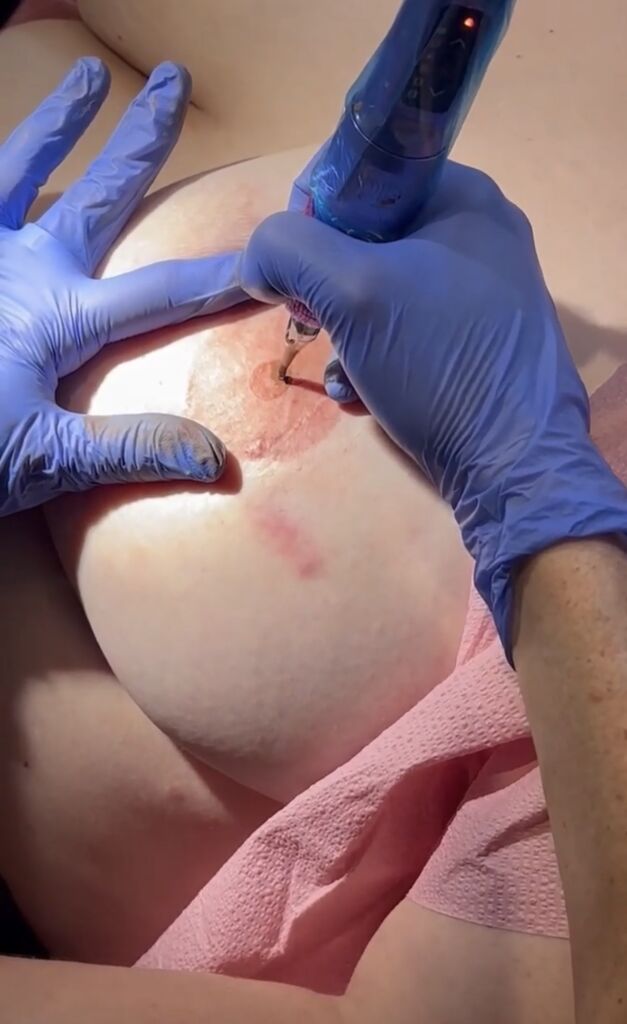
3D areola tattooing uses advanced shading and color techniques to create the illusion of dimension and realism. This can help create a natural-looking nipple and areola appearance even on flat skin.
Does Areola tattooing hurt?
Most clients describe the procedure as very tolerable. Sensation varies depending on the individual and previous surgeries. Some reconstructed areas may have limited sensation, while others may be more sensitive.
How long does areola tattooing last?
Results are long-lasting, but like all cosmetic and paramedical tattooing, fading can occur over time. Many clients choose a color refresh every few years to maintain vibrancy.
How many sessions will I need?
Most clients need 1–2 sessions for best results. A perfecting session may be recommended after healing to adjust color, softness, or detail if needed
How long is the Areola healing process?
Initial healing typically takes about 7–14 days, while full settling of color can take several weeks. Healing varies by skin type, immune response, and aftercare.
When can I get areola tattooing after surgery?
Most surgeons recommend waiting until the area is fully healed, typically at least 6–12 months after reconstruction or surgery. It’s always best to get clearance from your physician if you are unsure.
Can you tattoo over scars?
In many cases, yes. Scar tissue can often be improved visually with specialized pigm
Do you accept insurance?
A receipt and correct codes will be given to you to submit to your insurance for reimbursement. Some insurance plans may reimburse areola restoration services, especially after reconstructive surgery. Clients are encouraged to contact their insurance provider directly regarding eligibility and coverage.
What should I do before my Areola appointment?
You will receive detailed pre-care instructions before your appointment. In general:
- Stay hydrated
- Avoid alcohol 24 hours before
- Avoid excessive sun exposure
- Wear comfortable clothing
Areola Tattooing Aftercare
Proper aftercare is very important for healing, comfort, and pigment retention. Please follow all instructions carefully during the healing process.
Immediately After Your Procedure
- Mild redness, tenderness, swelling, and sensitivity are normal for the first few days.
- The tattooed area may appear darker or more vibrant initially. This will soften as healing progresses.
- A protective dressing may be applied after your appointment.
First 24–48 Hours
- Keep the area clean and dry unless instructed otherwise.
- Wash hands before touching the treated area.
- Avoid tight or rubbing clothing over the area.
- Sleep carefully to avoid excessive friction.
Cleaning Instructions
- Gently cleanse the area with lukewarm water and mild fragrance-free soap.
- Pat dry with a clean paper towel or soft cloth — do not rub.
- Apply the recommended aftercare ointment in a very thin layer as directed.
During Healing
For approximately 7–14 days:
- Do not pick, scratch, or peel any flaking skin.
- Avoid soaking the area in water:
- No pools
- No hot tubs
- No baths
- No saunas
- Avoid excessive sweating and intense workouts for several days.
- Avoid direct sun exposure or tanning.
- Do not apply lotions, perfumes, or harsh products unless approved.
Clothing Recommendations
- Wear loose, breathable clothing when possible.
- Avoid lace or abrasive bras during healing.
- A soft sports bra or loose cotton bra is often most comfortable.
What Is Normal?
During healing you may experience:
- Dryness or light flaking
- Itching
- Slight unevenness while healing
- Temporary fading before color settles
Healing Timeline
- Surface healing: approximately 7–14 days
- Full color settling: 4–8 weeks
Important
Healing results vary based on:
- Skin type
- Scar tissue
- Immune response
- Aftercare compliance
- Medical history
A touch-up or perfecting session may be recommended after healing.
Contact the Studio If You Experience:
- Excessive swelling
- Unusual discharge
- Fever
- Severe pain
- Signs of infection
- Allergic reaction concerns
Long-Term Care
Once healed:
- Protect the area from excessive sun exposure
- Use SPF when exposed to sunlight
- Moisturized skin may help maintain appearance over time
Results are long-lasting, but periodic refresh sessions may be desired to maintain color and detail.